With a surging demand for product traceability in
China, many companies have participated in the development of traceability
systems and the construction of traceability platforms. According to incomplete
statistics, thousands of companies have entered into the traceability market,
including Neusoft, Inspur, Huawei, JD.com and Tencent. As a national high-tech
enterprise, Sheng Ye Information Technology Service (Shenzhen) Co., Ltd. (“SYIT”),
a wholly owned subsidiary of Sheng Ye Capital Limited (“SY Capital”, HKEx: 6069), has been leveraging
its expertise and track record in medical supply chain management to accelerate
the research and development of SaaS systems for the sector, to promote the
cooperation of medicine information traceability systems, and strengthen the
exchange and sharing of traceability information.
The primary purpose of creating traceability systems
is to verify the authenticity of products and establish consumer trust in
product quality. In particular, medicine traceability has garnered nationwide attention
as medicine is a special commodity crucial to people’s lives and health. Data
shows that the global annual transaction volume of counterfeit medicines is
between US$75 billion to US$200 billion. In many developing countries in Asia,
Africa, and South America, counterfeit medicines account for 10% to 30% of the
total sales of medicines, and the illegal trade of counterfeit medicines has taken
a death toll of more than 100,000 every year.
In China, the initiatives to establish medication
traceability systems started long ago. In 2006, the former China Food and Drug
Administration (“CFDA”), now the National Medical Products Administration
(“NMPA”), began to implement medicine electronic supervision and adopted a “medicine
electronic supervision code” to track the whole process of drug production and
circulation. However, this approach was finally suspended in 2016 due to data
security and other issues. In 2018, the NMPA released “the Guidelines for the
Construction of Medicine Information Traceability Systems”, which defined the
term “medicine information traceability system” as the whole process in which
all participants track and trace the different stages of medicine production,
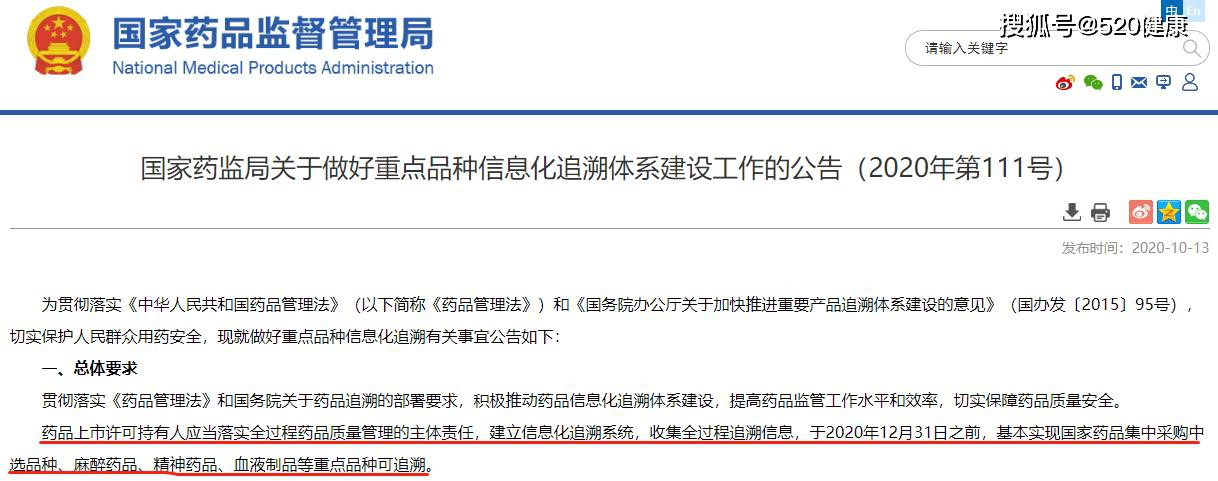
circulation and usages by means of information technologies. In 2020, the NMPA issued
the “the Notice on the Construction of the Information Traceability System for
Key Medicine Products”.
Meanwhile, the NMPC is establishing a medicine traceability
cooperation and service platform and continues to improve the traceability data
exchange and sharing mechanism. Pharmaceutical businesses and holders of marketing
authorization for medicinal products can file their medicine traceability coding
rules on the platform, which will help decode the addresses of different
medicine information traceability systems. This facilitates the interconnection
and data sharing between various traceability systems, thus enabling medicine
traceability across the supply chain.
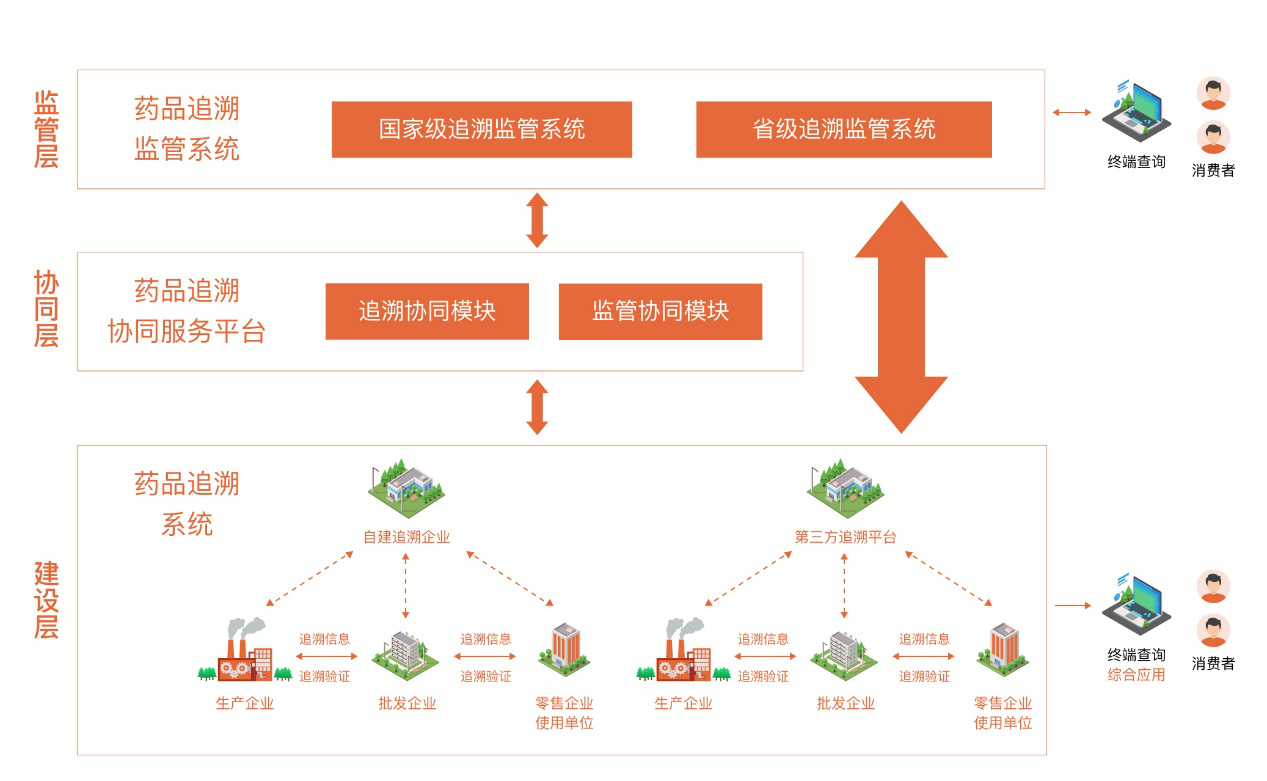
Medicine traceability systems collect the data and
keep records of information along the pharmaceutical supply chain, from
medicine production, distribution to consumption. They are crucial for tracking
down the product sources, checking the whereabouts, and establishing
transparency and accountability. These systems aim to strengthen medicine quality,
safety management and risk control of the whole process, and are of great
importance as it is related to the public health and rights. In addition, medicine
traceability systems apply blockchain technologies and distribute the traceability
data to the relevant entities based on laws, regulations and legally binding business
agreements between these parties. This helps to safeguard data security, establish
“data trust”, and ensure that data is properly encrypted, well controllable and
shared in real time among various parties in the medicine ecosystem, including
manufacturers, distribution companies, sales, consumers, and regulatory authorities.
In this way, it solves the fundamental data issue with applying industry data
for supervision while enhancing supervision efficiency and quality
significantly.
SYIT has comprehensively improved its capabilities
in big data technology, industrial application, and operational innovation.
Going forward, SYIT will continue to deepen the cooperation with all partners in
medicine information traceability systems and construct an innovative ecosystem
for the pharmaceutical sector.